 Kaʻū
Kaʻū
Kaʻū
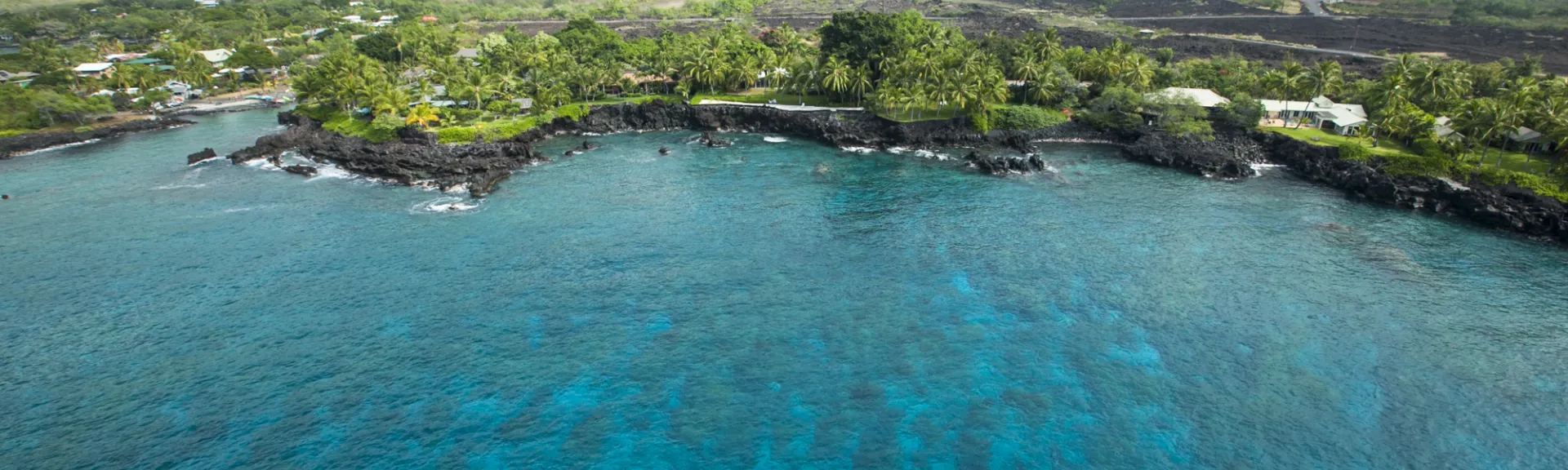
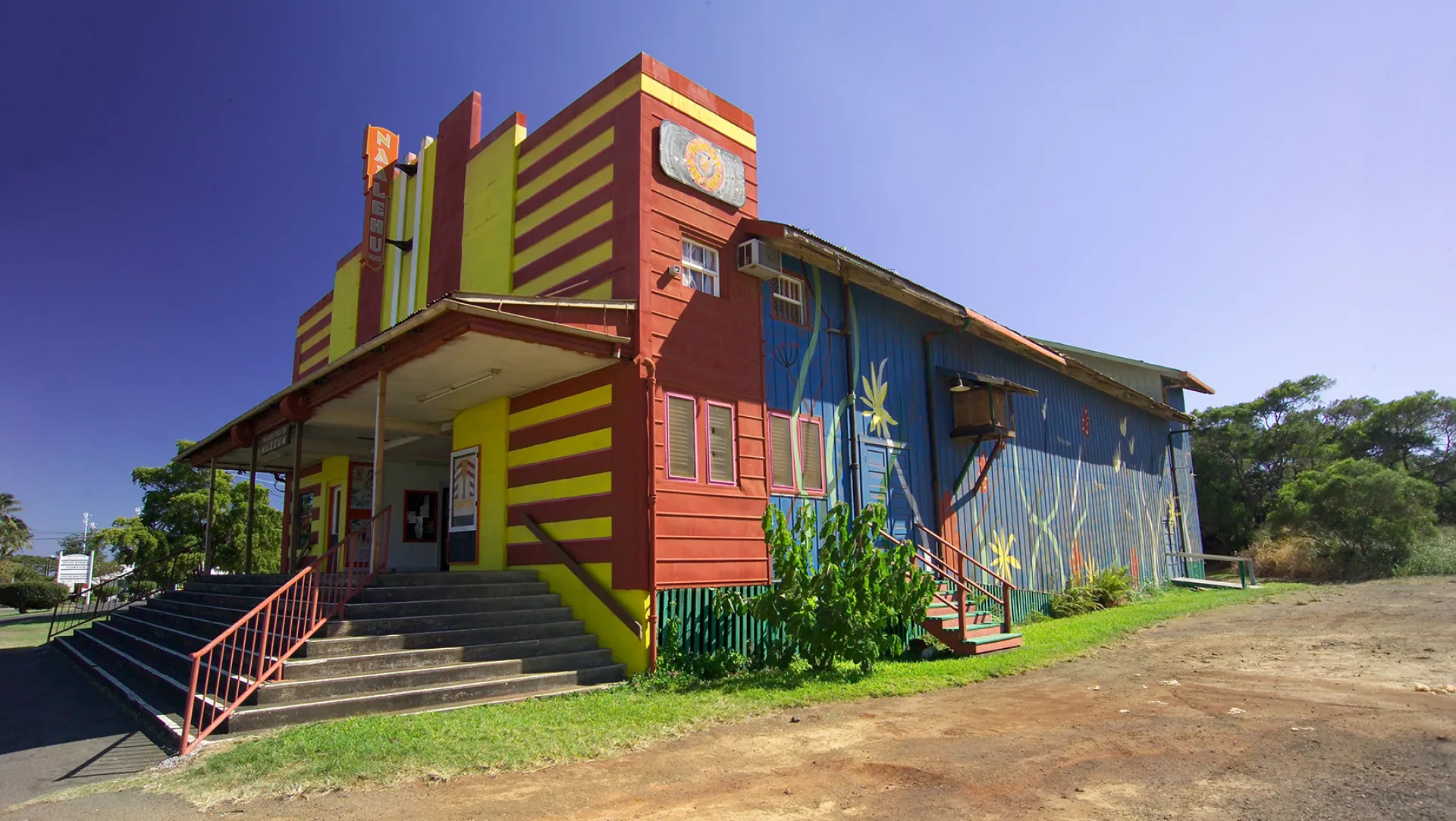
Vast, rural and remote, Hawaiʻi Island's southernmost region, Kaʻū, is a quiet area, home to the smaller communities of Nāʻālehu, Pāhala and Waiʻōhinu.
Kaʻū is also home to much of Hawaiʻi Volcanoes National Park and Kīlauea, one of the world's most active volcanoes. The park offers opportunities to experience volcanic landscapes and learn more about the natural forces that continue to shape the island.
On the eastern slopes of Kaʻū, macadamia nut orchards, coffee farms and cattle ranches shape the landscape. Hawaiian families with deep generational ties to the district continue to call Kaʻū home, alongside residents drawn to its rural setting and sense of place.
TEMPORARY TRAVEL ADVISORY: Hurricane Lala caused significant damage across Kaʻū, and recovery work is ongoing in Nāʻālehu, Pāhala and Waiʻōhinu. Visitors are asked to avoid non-essential travel into affected communities so residents and recovery crews can continue their work without added traffic.
If traveling between the west side of Hawaiʻi Island, including Kona and Kohala, and the east side, including Hilo and Puna, consider Highway 190 or Highway 200, rather than Highway 11 through Kaʻū.
For the latest conditions at Hawaiʻi Volcanoes National Park, visit the National Park Service's current conditions page.
While recovery continues, visitors may also explore other regions of Hawaiʻi Island, including Kona, Kohala, Hāmākua, Hilo and Puna.
This guidance is temporary and will be updated as conditions change.

Regions of Island of Hawaiʻi

If you’re driving along the Hāmākua Coast be sure to stop to explore some of its hidden gems, including taro farms, black sand beaches, splendid waterfalls and more.
The perfect place to explore local shops, a famous farmers market, beautiful beaches and dramatic waterfalls.
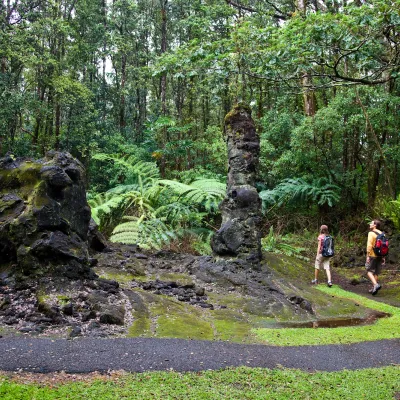
See dramatic features such as lava trees and molds at Lava Trees State Park and swim in volcanically heated tide pools.
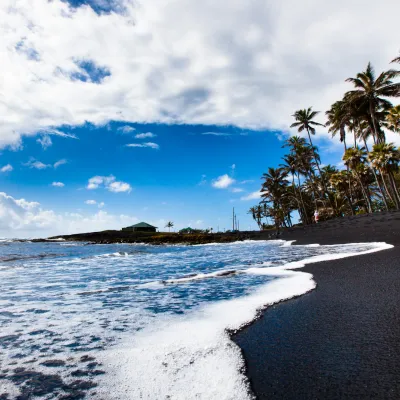
See an active volcano at Hawaiʻi Volcanoes National park and learn how the Hawaiian Islands were formed.
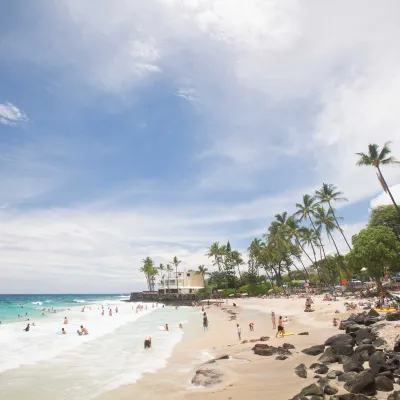
Bright blue water, abundant resorts, coffee tastings, and unique historical and cultural landmarks — your options are plentiful.
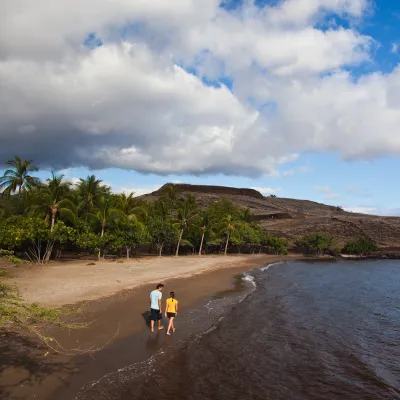
The island of Hawaiʻi is often called the “Golf Capital of Hawaiʻi” because of the renowned courses found along the Kohala Coast.
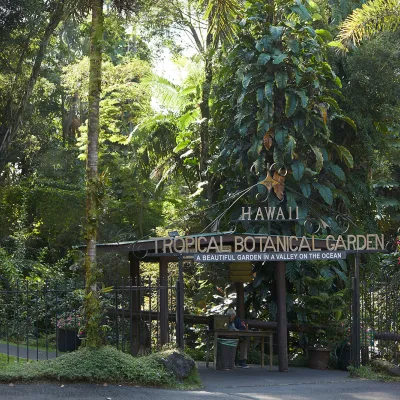
Take a memorable drive from Hilo to the Waipiʻo Valley Lookout to see scenic overlooks, waterfalls, botanical gardens and small towns.
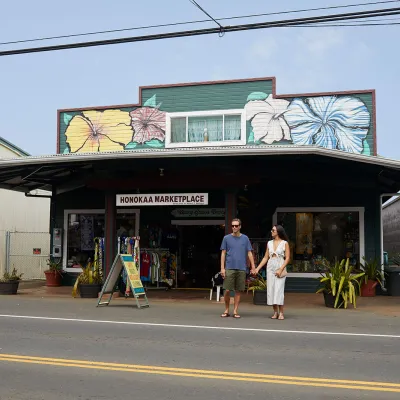
This friendly, small town is the gateway to the Waipiʻo Valley, and home to cute local shops and restaurants.
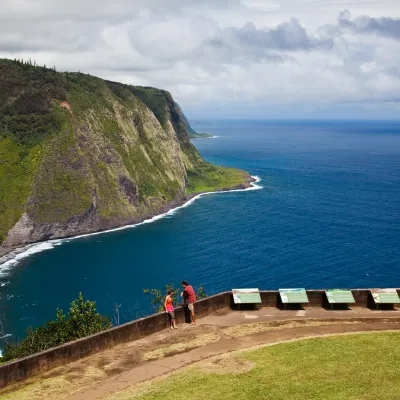
Located on the northern Hāmākua Coast, the sacred Waipiʻo Valley was the boyhood home of King Kamehameha I and an important center for political and religious life in Hawaiʻi.
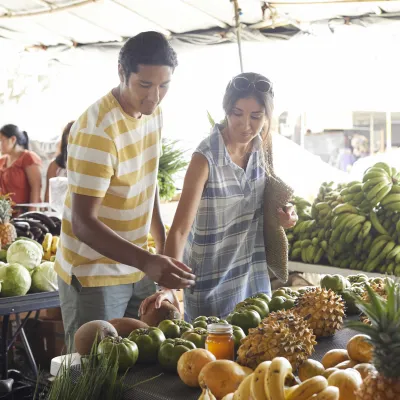
The Hilo Farmers Market is one of the best open markets in Hawaiʻi, featuring fresh fruit, vegetables, plants and local crafts.
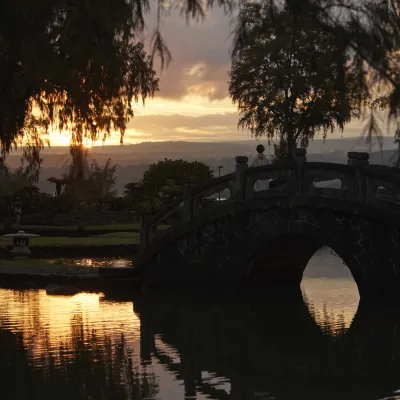
Liliʻuokalani Gardens is a beautifully landscaped, 30-acre Japanese garden featuring fishponds, pagodas and rock gardens.
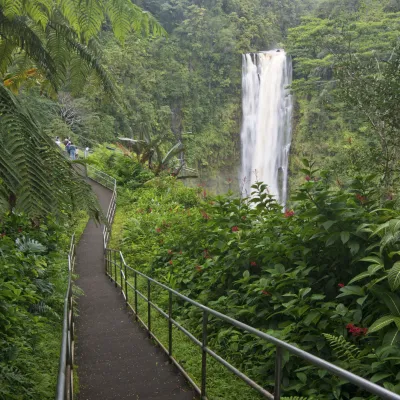
ʻAkaka Falls State Park features two amazing waterfalls, ʻAkaka Falls (442 feet) and Kahuna Falls (100 feet).
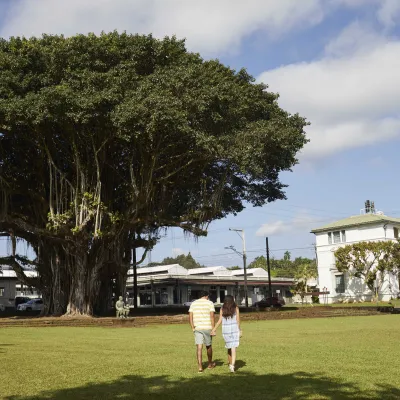
Downtown Hilo is the island of Hawaiʻi's biggest small town, featuring centuries-old wooden storefronts—many of which are on the National Register of Historic Places—housing a variety of sophisticated galleries, shops, restaurants and cultural sites.
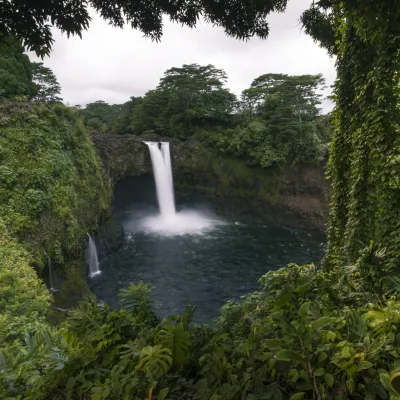
If you’re looking for a waterfall near Downtown Hilo, take a short drive west on Waiānuenue Avenue to Wailuku River State Park.
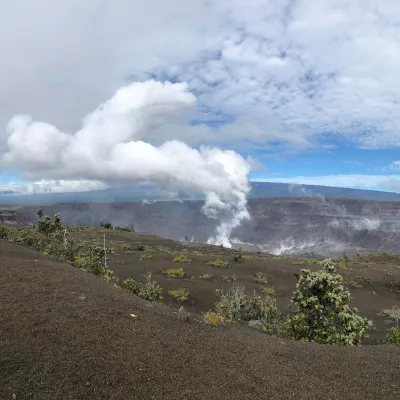
One of the state’s most famous attractions is a testament to the power of nature and a rare opportunity to see an active volcano.
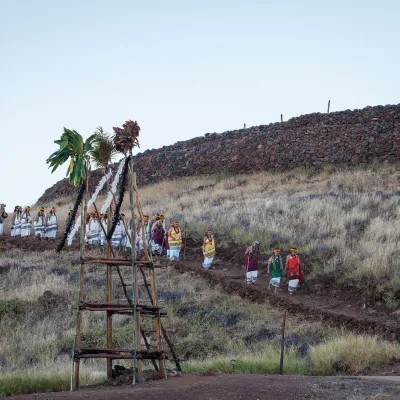
Part of the National Park System, this historic site is home to one of the largest and last heiau (temple) built in Hawaiʻi.
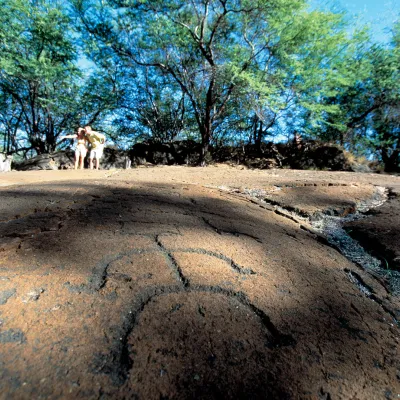
The Puakō Petroglyph Archaeological Preserve is one of the most extensive petroglyph fields in Hawaiʻi.
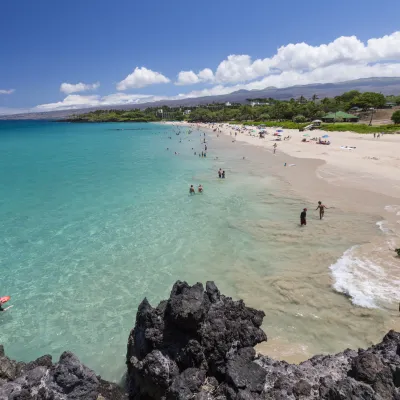
Hāpuna Beach on the Kohala Coast is one of the largest white sand beaches on the island of Hawaiʻi.
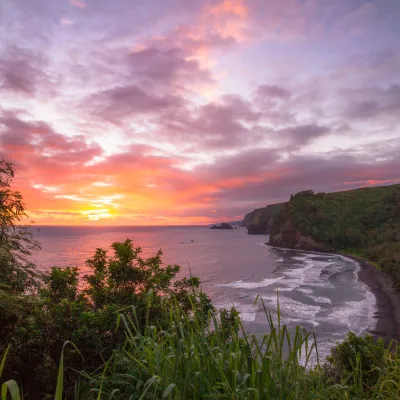
The Pololū Valley Lookout offers a breathtaking view overlooking Pololū Valley, a black sand beach and the northeastern coastline.
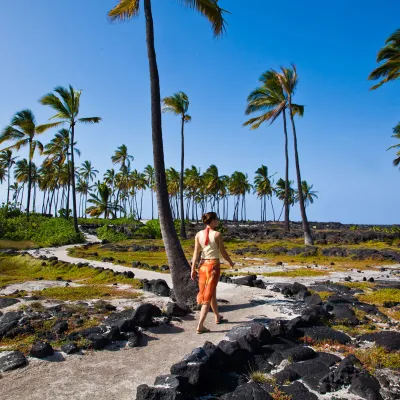
Visit Pu‘uhonua o Hōnaunau and learn about early Hawaiian history at this National Historic Park, historic place of refuge and former royal grounds.
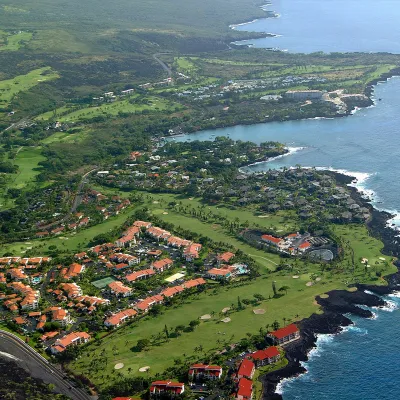
The Keauhou resort area, just south of Historic Kailua Village in Kona, is where you can often spot manta rays and honu (Hawaiian green sea turtles).
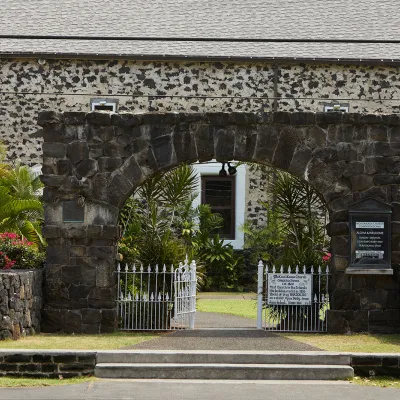
Historic Kailua Village is a lively seaside town in the heart of Kona home to shopping, dining and important historic sites.
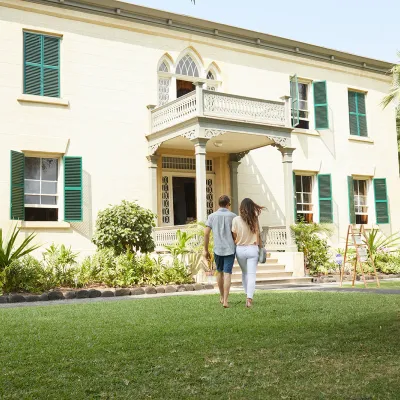
Travel back to the days of the Hawaiian monarchy at Hulihe‘e Palace, located right on Ali‘i Drive in the heart of Historic Kailua Village (Kailua-Kona).
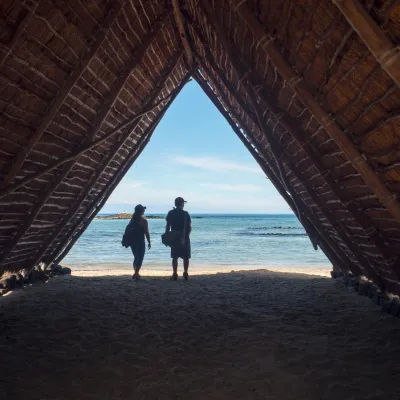
Just south of Ellison Onizuka Kona International Airport, is Kaloko-Honokōhau National Historical Park. Explore this coastal park and discover how an early Hawaiian settlement survived on the rugged Kona coast.
The Hilo Farmers Market is one of the best open markets in Hawaiʻi, featuring fresh fruit, vegetables, plants and local crafts.
Liliʻuokalani Gardens is a beautifully landscaped, 30-acre Japanese garden featuring fishponds, pagodas and rock gardens.
ʻAkaka Falls State Park features two amazing waterfalls, ʻAkaka Falls (442 feet) and Kahuna Falls (100 feet).
Downtown Hilo is the island of Hawaiʻi's biggest small town, featuring centuries-old wooden storefronts—many of which are on the National Register of Historic Places—housing a variety of sophisticated galleries, shops, restaurants and cultural sites.
If you’re looking for a waterfall near Downtown Hilo, take a short drive west on Waiānuenue Avenue to Wailuku River State Park.
Kaʻū Highlights
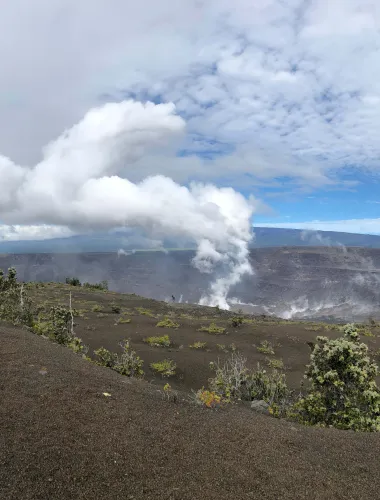
Hawaiʻi Volcanoes National Park
One of the state’s most famous attractions is a testament to the power of nature and a rare opportunity to see an active volcano.
Read More
Plan Your Trip to the Island of Hawaiʻi
Travel Pono Pledge
One’s love for the planet is an inseverable relationship. Please take the island of Hawaiʻi Pono Pledge and ask your friends and family to do the same.