
 Naturwunder
Panoramastrecken in Hawaii
Napali Coast, Kauai
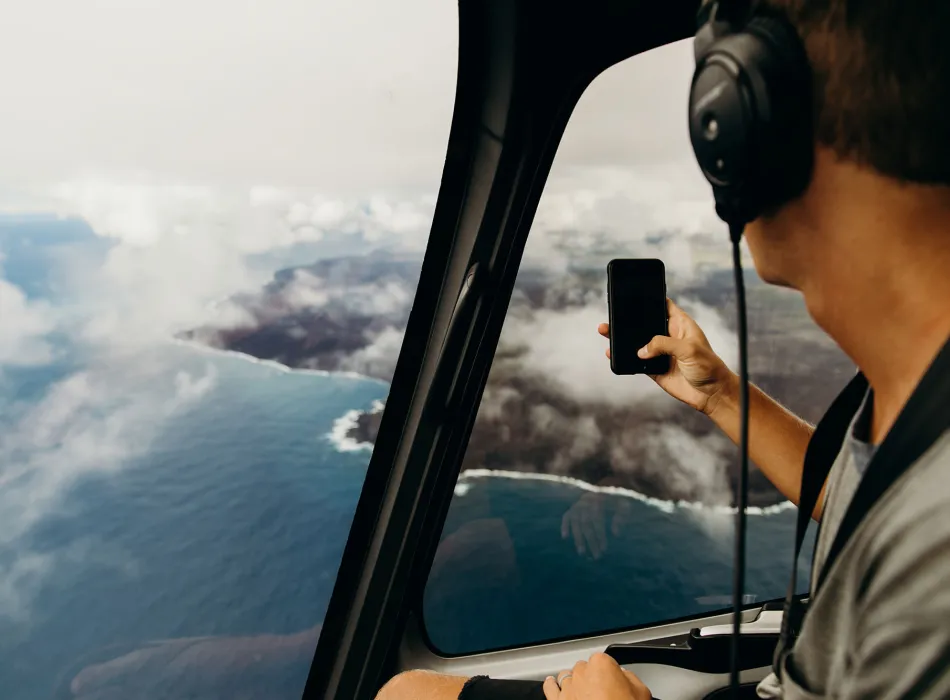
An diesem spektakulären Abschnitt der Nordküste von Kauai erwarten Sie unter anderem smaragdgrüne Gipfel, einsame Strände und kaskadierende Wasserfälle. Besonders zu empfehlen sind Bootstouren, bei denen Sie einzigartige Ausblicke entdecken und die zahlreichen versteckten Meereshöhlen erkunden können. Nicht weniger adrenalintreibend ist ein Rundflug im Helikopter.
Waimea Canyon, Kauai
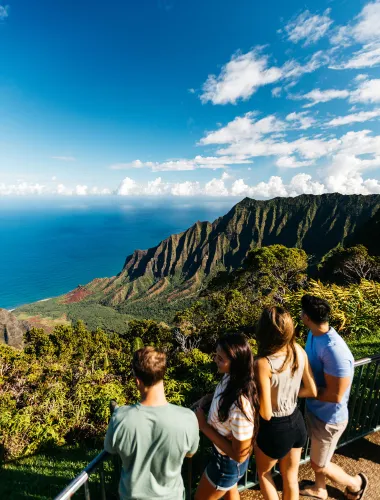
Der „Grand Canyon des Pazifiks“ ist gut 22 km lang, rund 1.100 m tief und begeistert mit Panoramaausblicken über hohe Spitzkuppen, schroffe Felszacken und andere geologische Formationen im dramatischen Landesinneren von Kauai. Der angrenzende Kokee State Park ist von einem über 70 km langen Netz an sagenhaften Wanderwegen durchzogen und umfasst auch ein informatives Museum zur Naturgeschichte.
Leahi (Diamond Head), Oahu
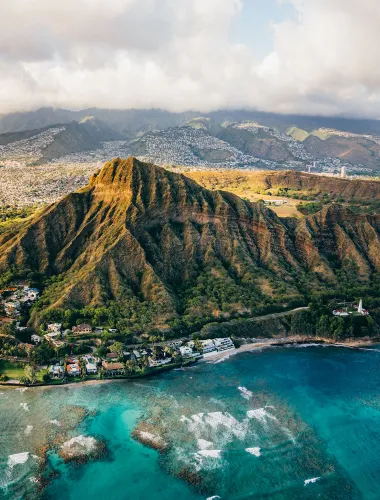
Dieses State Monument zählt zu den berühmtesten Wahrzeichen Hawaiis und ist auf unzähligen Urlauberfotos vom Waikiki Beach im Hintergrund zu sehen. Der Spitzname „Diamond Head“ geht auf britische Seeleute zurück, die die glitzernden Kalzitkristalle an den Hängen des Kraters im 19. Jahrhundert für Diamanten hielten. Der Leahi lässt sich gut im Rahmen einer Tageswanderung besteigen. Vom Gipfel bieten sich einige der schönsten Ausblicke, die Oahu zu bieten hat.
Puu Pehe (Sweetheart Rock), Lanai
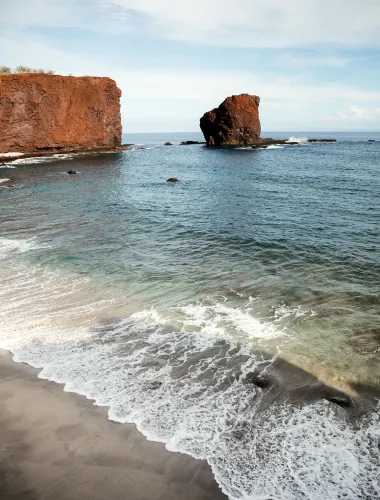
Diese ungewöhnliche, zwischen der Manele Bay und der Hulopoe Bay im Meer gelegene Felsformation ist fast 25 m hoch. Ihr Spitzname „Sweetheart Rock“ stammt von einer hawaiianischen Legende über einen liebeskranken Gott.
Hana Highway, Maui
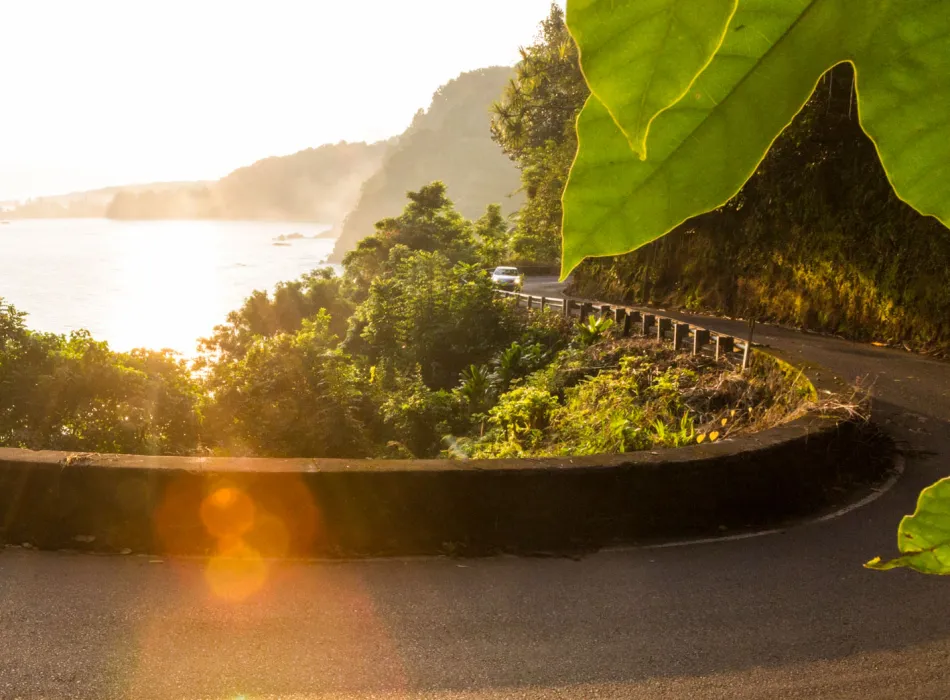
Die (teilweise haarsträubende) Fahrt auf dieser Panoramastraße führt durch einige der spektakulärsten Landschaften im Bundesstaat. Auf seinem Weg ins beschauliche, nostalgische Hana schlängelt sich der legendäre Hana Highway (HI-360) über mehr als 50 Brücken und 600 Kurven durch Regenwälder und dramatische Küstenstriche und passiert dabei auch zahlreiche Wasserfälle. Starten Sie möglichst frühzeitig und planen Sie genug Zeit für Zwischenstopps ein.
Papohaku Beach Park, Molokai
Mit einer Länge von knapp 5 km und einer Breite von teilweise über 90 m zählt dieser abgeschiedene Strand im schroffen Westen von Molokai zu den größten weißen Sandstränden Hawaiis.
Maunakea, Hawaii Island
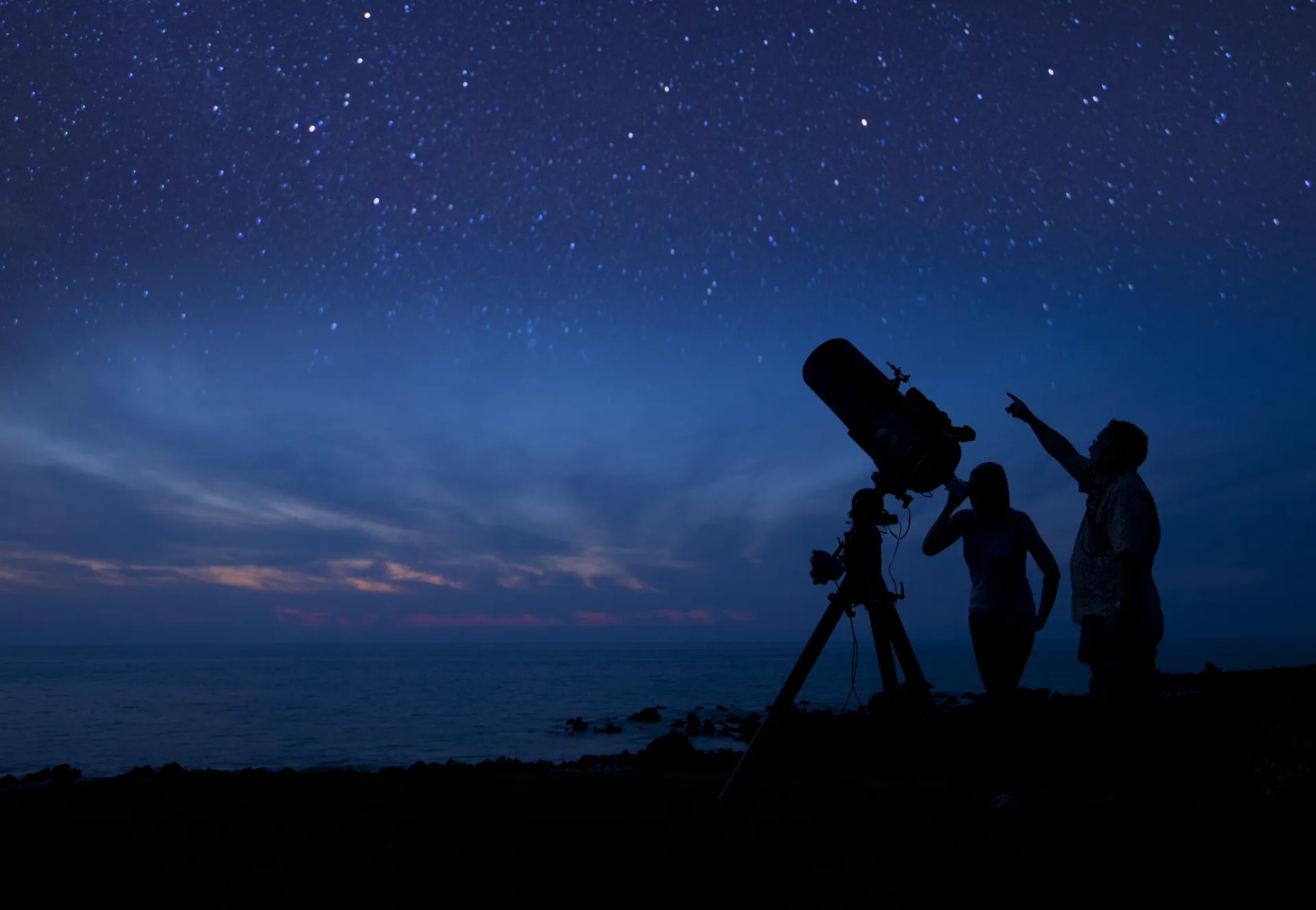
Der größte Tiefseeberg der Erde erhebt sich gut 10.000 m über dem Meeresboden und verspricht professionellen wie hobbymäßigen Sternenguckern ein einzigartiges Erlebnis. Aufgrund der hohen Lage, der sauberen Luft und der minimalen Lichtverschmutzung funkeln die Sterne am Nachthimmel heller als fast irgendwo sonst.
Views of Paradise
Hawaiʻi Beaches
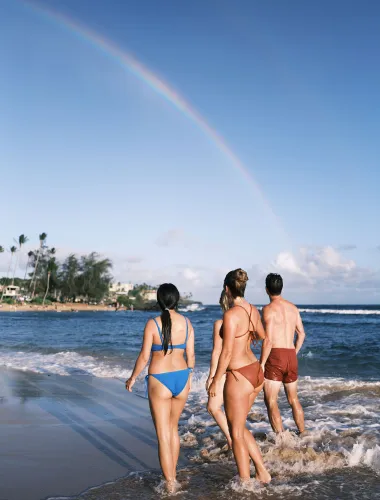
Relax at Waikīkī Beach on Oʻahu, Mākena Beach on Maui, Poʻipū Beach on Kauaʻi, Hulopo’e Beach on Lāna‘i, Pāpōhaku Beach on Molokaʻi and Hāpuna Beach on the Big Island.
Mehr Lesen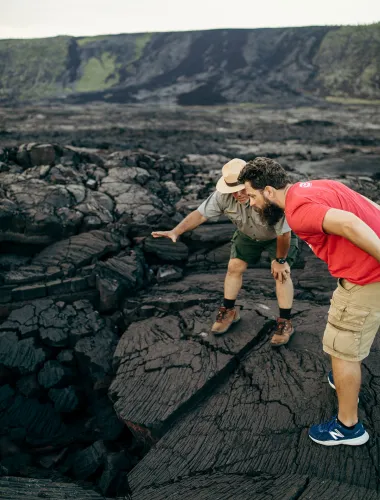
Volcano Locales
Safely explore the active and dormant volcanoes of Hawaiʻi, see several of them on the islands of Hawaiʻi and Maui. Guided tours are a must while visiting.
Mehr Lesen
State & National Parks
Find over 50 state parks in the state, dozens of historically-significant spots that are federally protected as well as two national parks — Hawaiʻi Volcanoes National Park and Haleakalā National Park.
Mehr LesenWeitere Naturwunder
Natural Wonders of Hawaiʻi
Frequently Asked Questions
What are the most famous natural wonders in Hawaiʻi?
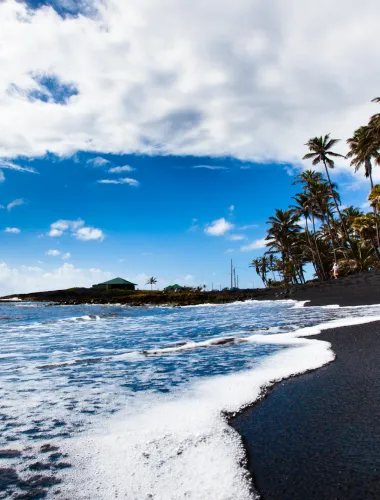
Hawaiʻi is home to world-famous natural wonders including the Lēʻahi (Diamond Head), Nāpali Coast, Waimea Canyon, Pu‘upehe, Pāpōhaku Beach, Hāna Highway and Punaluʻu Black Sand Beach.
What are the most popular beaches of Hawaiʻi?
The most popular beaches in Hawaiʻi include Waikīkī and Sunset beaches on Oʻahu; Kāʻanapali and Wailea beaches on Maui; Hāpuna Beach and Kekaha Kai State Park on the island of Hawaiʻi; Poʻipū Beach and Hanalei Bay on Kauaʻi; Pāpōhaku and Hālawa beaches on Molokaʻi; and Hulopoʻe Beach on Lānaʻi.
What is the best way to experience Hawaiʻi’s natural wonders?
The best way to experience Hawaiʻi’s natural landscapes includes hiking trails, taking scenic drives, boat tours along the coast and helicopter rides for aerial views of remote areas.
What are some family-friendly nature experiences in Hawaiʻi?
Many of Hawaiʻi’s outdoor attractions are family-friendly. Calm beaches, short hiking trails, botanical gardens and guided tours make it easy for visitors of all ages to enjoy the islands’ landscapes safely and comfortably.
How can visitors explore Hawaiʻi’s nature respectfully?
Visitors are encouraged to follow responsible travel practices by staying on marked trails, respecting wildlife, avoiding touching coral reefs and following local guidance at beaches and parks. Practicing mālama Hawaiʻi, or caring for the land, helps preserve Hawaiʻi’s natural beauty for future generations.
When is the best time to explore nature in Hawaiʻi?
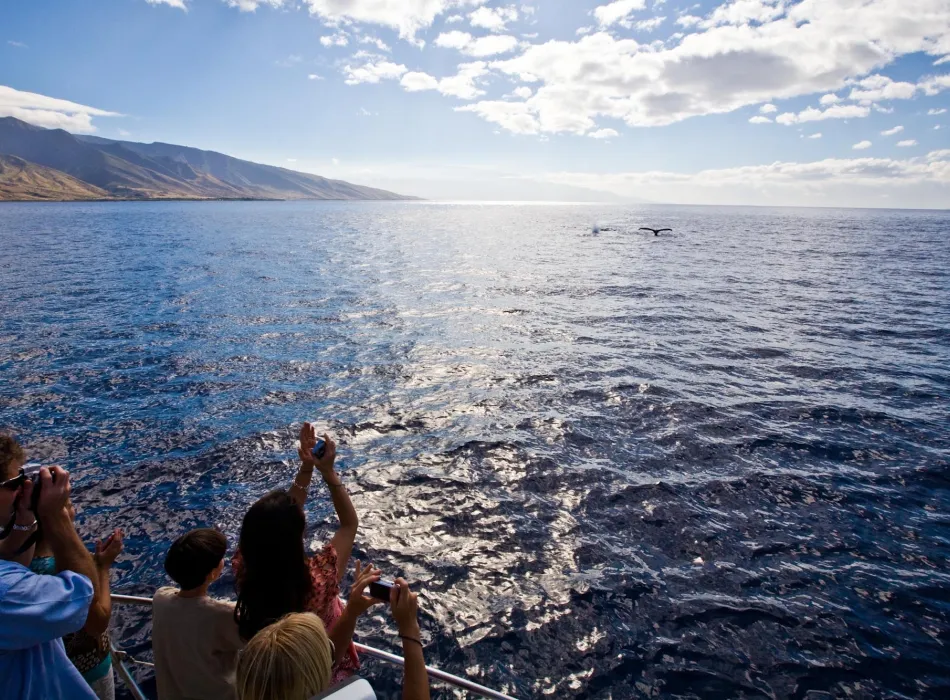
Hawaiʻi’s natural attractions can be enjoyed year-round, with each season offering different experiences. Winter months (December through February) may bring larger ocean swells and whale migrations, while summer months (June through August) often provides calmer waters and ideal conditions for hiking and snorkeling.
What are the best scenic viewpoints across Hawaiʻi?
On Oʻahu, the Nuʻuanu Pali Lookout, Makapuʻu Lookout, Tantalus Lookout and Lēʻahi (Diamond Head) deliver stunning views over paradise. On Maui, the Kalahaku Overlook and the summit building at Haleakalā National Park look out over the volcano's massive crater. On Kauaʻi, the Kalalau Valley Lookout and the many pullouts along Waimea Canyon reveal the island's dramatic, rainbow-hued gorges. On the island of Hawaiʻi, the Pololū Valley Lookout at the end of the Kohala coast highway and the crater-rim drive through Hawaiʻi Volcanoes National Park showcase the island's volcanic origins. On Molokaʻi, the Kalaupapa Overlook peers down to the remote peninsula below. On Lānaʻi, the Munro Trail climbs to the island's highest point for views across four other islands.
What are popular locations for snorkeling safely in Hawaiʻi?
On Oʻahu, Hanauma Bay Nature Preserve is a lifeguarded, coral-ringed bay, while the Ko Olina Lagoons are ideal for families. On Maui, Kapalua Bay and neighboring Napili Bay are protected, crescent-shaped bays with gentle year-round conditions. On Kauaʻi, Lydgate Beach Park is the island's easiest and safest option thanks to a rock wall that creates a protected swimming pool. On the island of Hawaiʻi, Kahaluʻu Beach Park has lifeguards and a shallow reef perfect for first-timers. On Molokaʻi, the south shore is home to the longest continuous fringing reef in the U.S., making for gentle, uncrowded snorkeling. On Lānaʻi, Hulopoʻe Bay is a protected marine preserve with some of the calmest water in the state. Always check surf and weather conditions before entering the water, and avoid north-facing shores in winter when swells can turn dangerous.